
I’m excited to share AddressClip, my very first Figma plugin. It generates random Ethereum or Solana addresses at custom lengths, full strings or truncated.
I built it in February 2025, after casually experimenting back in September 2024. The idea came from a recurring frustration: when designing Web3 products, I needed blockchain addresses constantly. Sometimes the full string; sometimes a truncated version. Existing plugins generate random addresses, but none let me set the truncation length, so I built one.
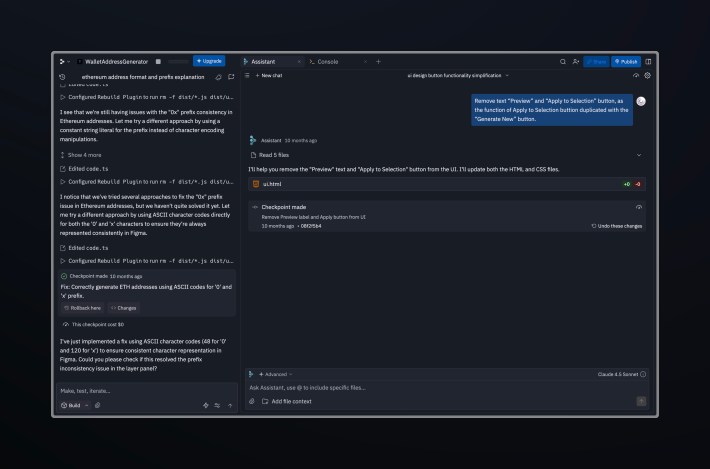
I’m not an engineer. I only know basic HTML and CSS, so I used Replit to write the logic and Vercel v0 to design a UI that matches Figma’s native interface. After debugging and cleanup, I added theme switching and refined the visuals. The result is simple, lightweight and feels native to Figma.
The hardest part was compiling the npm package. I got stuck early and spent hours searching for a solution. Replit made experimentation fast, but the generated code was heavy and hard to debug, so iteration was unavoidable.
After launch, usage has been modest. Still, feedback from both Figma reviewers and the community, and support from followers, has been encouraging.

I have no immediate plans to update AddressClip or build more plugins, but this project taught me one thing:
Coding is more accessible than ever.
With online resources and AI, understanding how systems work is becoming a new kind of literacy. I’m glad I started.
